
Know where every asset is. Know what is still in the warehouse.
Last observation
I-75 · Hamilton OH · 4 min ago
Live movement · last 12 hours
0
+6.4%tracked units across 6 facilities
1 year plan · 214 labels reaching reorder this quarter
Live tracking · AST-38870 moving
Label, driver-app GPS and ELD pings merged · Owensboro KY → Hamilton OH
- 0%
- Tracking history
- Retained and replayable
- 0/7
- Inventory
- By facility and space
- 0 days
- Device life
- Day countdowns
Follow the shipment, not the paperwork
If it moves, it can carry a label
Built for LTL, FTL and everything shared in between
Track everything, not just what a tracker can justify
Cost profile
Significant margins cheaper than GPS hardware
A GPS tracker is a device you buy, charge, mount, chase and replace. A smart label is a consumable you print. That difference is what lets teams track everything instead of only the few units that justify a tracker.
- Hardware per tracked unit
- Paper-thin printed label
- Rugged GPS tracker
- Up-front spend
- A few dollars per label
- $50+ per GPS device
- Charging and maintenance
- None, the tiny cell lasts the plan
- Recharge, swap, repair, replace
- Recovery logistics
- Nothing to retrieve
- Devices must come back or they are lost
- Coverage granularity
- Every pallet, tote and case
- Only the highest-value units
- Deployment effort
- Print and stick at the bench
- Mount, pair, provision, register
Track the whole fleet, not the exceptions
When per-unit cost drops by orders of magnitude, the business case stops being 'which assets deserve tracking' and becomes 'why would we leave anything untracked'.
No device fleet to manage
Nothing to charge overnight, nothing to reclaim from a customer site, nothing sitting in a drawer with a flat battery. Labels retire with their asset and their history stays in the portal.
Coverage plans that match the job
Choose 30 day, 4 month or 1 year label life per batch. Short-cycle parcel runs do not pay for a year of coverage, and rental equipment is not re-labeled every month.
Print your own branding
Your logo and wording print straight onto the thermal label, so tracked assets carry your mark rather than a third-party device.
Hundreds of equipment types, one accountable register
Bring evidence to your insurer and ask for a better rate
Customers typically start by sharing a 90-day loss and recovery report with their carrier or cargo insurer. Reduced shrinkage, faster recovery and verified controls are the arguments that move premiums, deductibles and coverage limits in your favour.
Connect it to the TMS you already run on
Salesforce-native brokerage
Any custom Force.com logistics app
Collaborative TMS
LTL and brokerage automation
Global multi-enterprise supply chain
Broker and carrier operations
Enterprise multi-modal TMS
Routing and network visibility
Enterprise transport management
Supply chain execution
Visibility networks
ERP-native transport
WMS and TMS suite
Authorize once
Connect your TMS with OAuth or an API key from the portal. Credentials are stored server-side and never touch the browser.
Match your records
Loads, shipments, orders and equipment records map to tracked assets, so a label attaches to the load your team already knows.
Push observations back
Positions, facility arrivals, dwell and exceptions flow back into the TMS as status events, so dispatch never leaves their main screen.
Truckload tracking providers
Driver app GPS and ELD pings, on the same map as your labels
Attach a label to a live load from Trucker Tools, Highway carrier, or any ELD and telematics feed. Item-level label reads stay precise; carrier pings fill the road between them, one trail, color-coded by where each position came from.
Read from the sticker itself, item-level, works without a driver or vehicle.
Phone GPS from load-tracking apps such as Trucker Tools or Highway carrier.
Vehicle position from the carrier's ELD or fleet telematics feed.
Not on this list? Any system with a REST API, webhook endpoint or scheduled file exchange can be connected, integration scope is confirmed during onboarding.
Choose the label life, print your own logo
Life plans that match the cycle
- 30 days, parcel, express and short-cycle outbound freight.
- 4 months, seasonal campaigns, project freight and returnable pools.
- 1 year, rental equipment, containers and long-life assets.
The portal tracks remaining coverage per plan and flags reorders before labels lapse.
Your label, your mark
Design labels in the portal and send them straight to a networked, USB or Bluetooth thermal printer. Add your logo and wording, choose a template, and every sticker still carries a small TraxLabs by HLX mark for support and provenance.
Register new rolls by serial range, connect printers, and activate labels against an asset at the bench in a few seconds.
Print it, stick it, track it
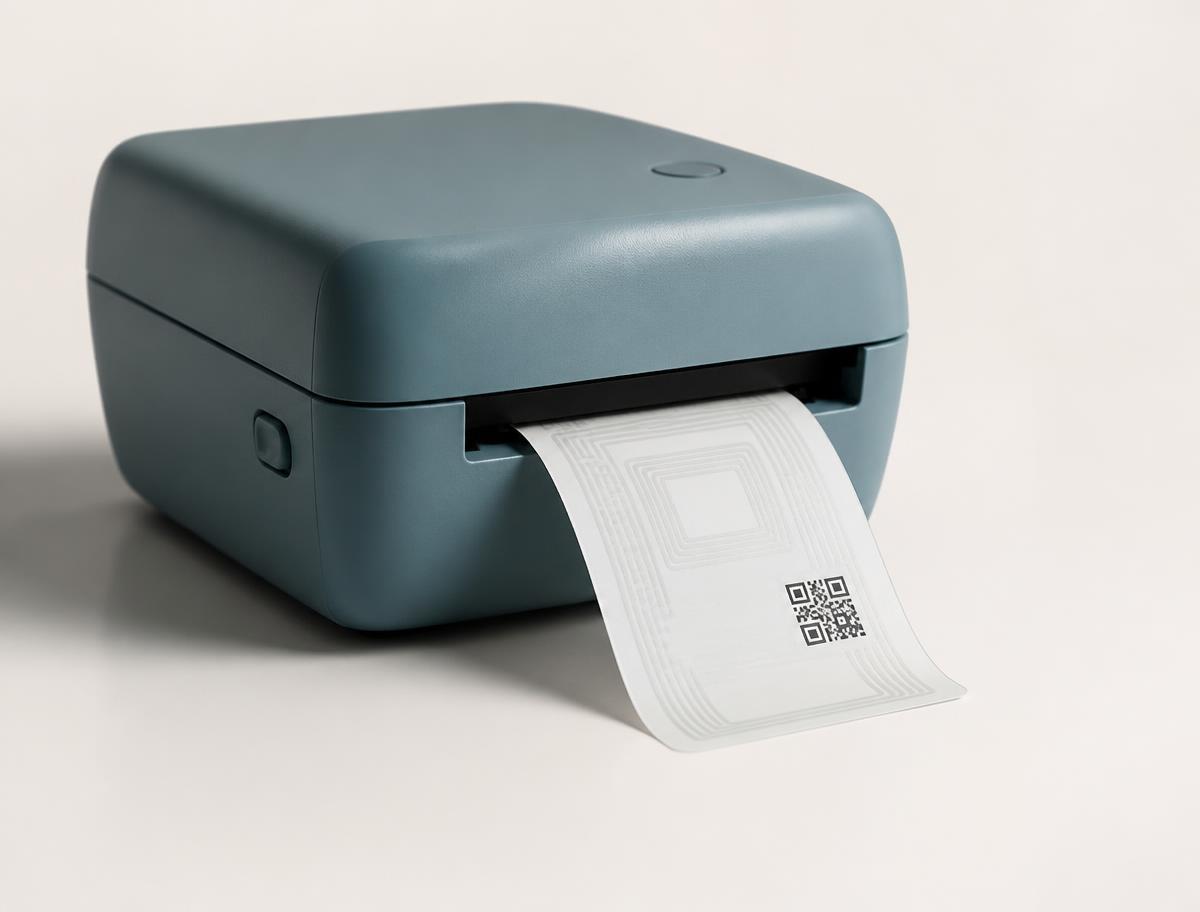
Activate
Insert the label into your printer or activate it from the smartphone app. It wakes up in seconds.
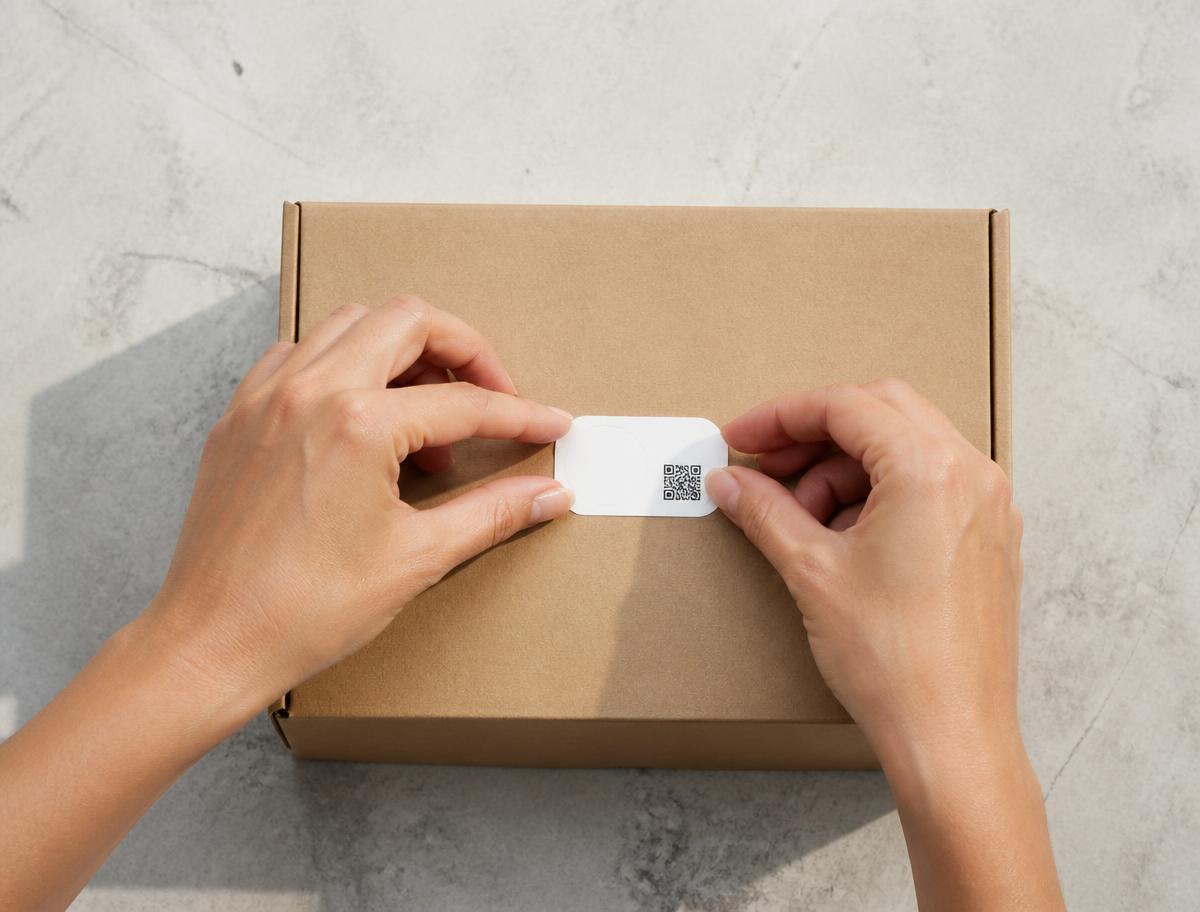
Stick
Apply the label to any package, pallet, tote or high-value asset — paper-thin and disposable.
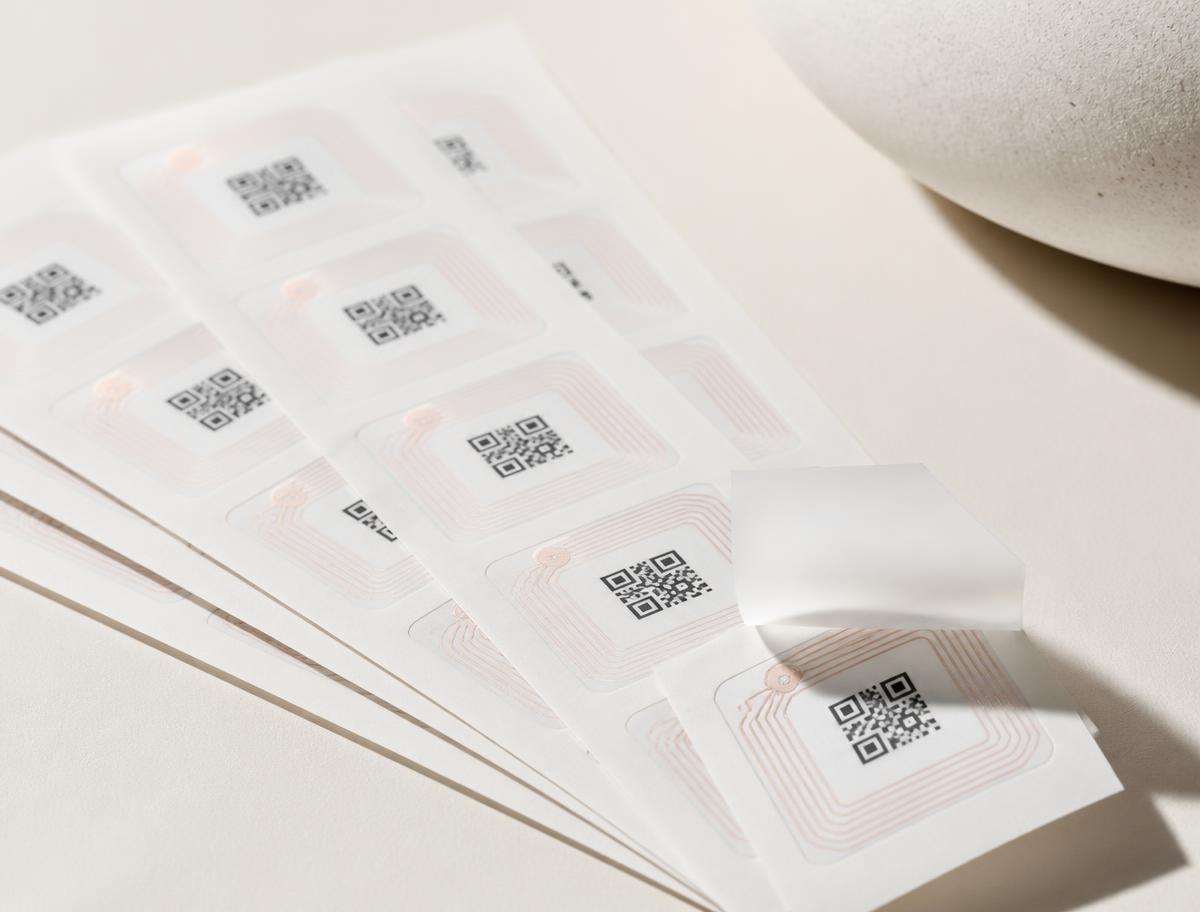
Track
Get real-time visibility and alerts as observations flow into the portal automatically.
Choose between Bluetooth or Cellular connectivity
Pick the radio that fits the job. Bluetooth for dense indoor and yard reads, cellular for long-haul and remote coverage. Both share the same activation, lifecycle and portal.
Bluetooth Mode
Cellular Mode
Operational intelligence built on smart-label observations
The strongest case is the loss that never happens
Paper-thin labels with a tiny, harmless battery that report where things are
Connect your tracking workspace securely
Proven label technology, TraxLabs by HLX intelligence
The label layer
Long-life smart labels reporting observations as assets move.
Enhanced by TraxLabs
History retention, inventory, lifecycle and analytics layered on top.
One portal
Tracking, inventory, device lifecycle and analytics in a single operational view.
Labels powered by Reelables, an HLX Studios partner.